
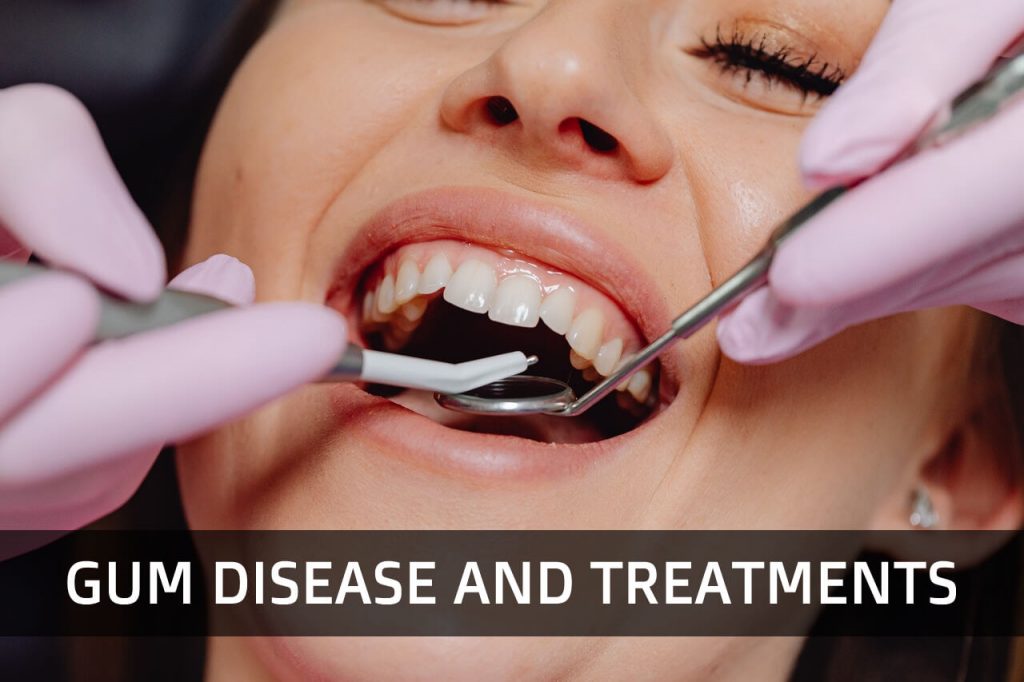
Do you often find blood on the sink as you brush and rinse your teeth? Do you notice your gums looking redder than usual? And when you touch it, does it feel sensitive? These symptoms are likely telling you that you have gum disease.
While it should not necessarily alarm you, it may be best to treat it before it gets worse and can cause systemic diseases.
Gum Disease and Gum Treatment
Also known as periodontal disease, gum disease occurs when gums are infected by plaque. When it progresses and worsens, it often leads to tooth loss, especially if gum treatment is delayed.
Gum diseases can be caused by many factors other than plaque. These include:
- Hormonal changes, such as those occurring during pregnancy, puberty, menopause, and monthly menstruation, make gums more sensitive, making it easier for gingivitis to develop.
- Existing illnesses, such as cancer or HIV
- Medicines that have an impact on dental health
- Smoking
- Poor dental hygiene practices
What to Look Out for
Suspecting you might have gum disease? Know these symptoms of gum disease:
- Bleeding gums, especially during and after brushing and flossing
- Pink and firm gums become red and swollen
- Deep gaps or pockets between swollen areas and teeth
- Bad breath and bad taste
- Teeth shifts or loosens
- Bite changes
There are instances when you can’t notice any symptoms. Hence, it is important to get your dental health checkup twice a year so a dentist can detect early warning signs of gum disease that may not be visible to you.
However, if you do experience any of the said symptoms, get in touch with your dentist right away to prevent it from getting worse.
Is There a Difference Between Gingivitis and Periodontitis?
There are two gum diseases that you may be experiencing: gingivitis and periodontitis. The main difference between these two is that while gingivitis can be reversed, you will have a hard time doing so for periodontitis.
It is also important to understand that periodontitis happens when gingivitis is left untreated. But worry not because not everyone diagnosed with gingivitis will lead and progress to periodontitis.
4 Ways to Gum Disease Prevention
Now that you are aware of the symptoms of gum diseases and luckily, you are currently experiencing none of these symptoms; you might want to learn more on how you can prevent them:
-
Brush your teeth every day.
This golden rule still applies if you want to prevent gum disease. Do it twice a day, or every after meals. And when brushing, always use a soft-bristled toothbrush to avoid bleeding and fluoride toothpaste to ensure that any plaque build-up will be reduced.
-
Don’t forget to floss.
There are hard-to-reach areas between your teeth and gum lines that even the softest bristles of a toothbrush can’t reach. Daily flossing is the only key to remove food particles and plaque from the hard-to-reach areas in your mouth.
-
Use mouthwash.
To complete things, use anti-bacterial mouthwash after brushing and flossing your teeth. Mouthwash often works in preventing bad breath and plaque, and eventually, any gum disease.
-
Make changes to your lifestyle.
Do you smoke? Do you chew tobacco? Then maybe it’s high time for you to reduce and remove this part of your lifestyle if you want to avoid gum disease.
Gum Disease Treatment
It is good to know that gum diseases that are mild in nature can be treated with good oral hygiene habits. So, if you already have a good level of oral hygiene, all you need to do is keep it up. If not, start brushing your tooth twice a day, and do not forget to include flossing in your routine.
And, of course, do not forget to schedule dental check-ups twice a year or once every six months. There are instances when you actually have gum disease, but you will not be aware of it, especially that there are hard to view and reach areas in your mouth.
Your dentist can help you out in most cases since they have the right tools and skills to check the condition of your teeth. Best of all, you will receive professional advice on how you should clean your teeth and remove plaque build-ups effectively.
For cases that are severe in nature, comprehensive gum treatment may be required. In fact, some undergo surgery to solve worse gum disease cases. A periodontist will perform this surgery since they specialise in treating the gums and the bone that supports your teeth.
For Your Gum Treatment Needs, Turn to Eskay Dental Surgery
At Eskay Dental Surgery, we offer a wide range of dental treatments to help you have optimal dental health. For your gum treatment needs, we provide preventive dental care service. We also offer teeth cleaning and gum disease treatment.
Should you find yourself in need of our dental services, be sure to give us a call on (02) 9600 7400 to book an appointment with us today.
Pingback: Dental Care Tips on How to Correctly Clean Your Teeth and Gums | Eskay Dental Surgery
Pingback: https://eskaydental.com.au/blog/gum-disease-tre...